


Becoming a successful bridal makeup artist involves more than learning how to apply foundation, eyeshadow and lipstick. Bridal makeup requires precision, creativity, communication and the ability to work confidently under pressure. For aspiring makeup artists, practical experience can play an important role in developing these skills.
A professional makeup artist course can combine theory with hands-on training, allowing students to practise techniques, understand different products and develop the confidence needed to work with real clients. At The Zara, practical learning is an important part of developing the skills required for a professional career in makeup.
Why Is Practical Training Important for Bridal Makeup Artists?
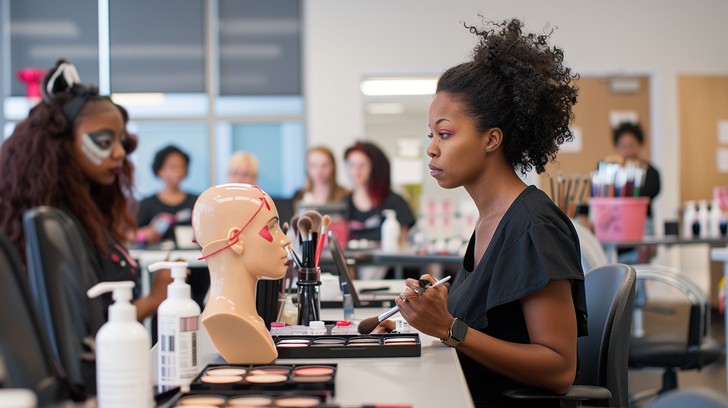
Reading about makeup techniques or watching tutorials can provide useful knowledge, but applying those techniques yourself is a different experience. Practical training allows you to practise each step and understand how products and techniques work in real situations. During hands-on training, aspiring makeup artists can learn how to prepare the skin, create an even base, apply eye makeup, work with different textures and complete a polished bridal look. Repeated practice can also help you become more comfortable with your brushes, products and application techniques. Over time, this can help develop greater control and consistency.
Building Confidence Through Hands-On Practice
Confidence is an important part of working as a professional makeup artist. Brides often want to feel comfortable knowing that their makeup artist understands their requirements and can create their desired look. Practical training gives students opportunities to practise complete makeup looks rather than learning individual techniques in isolation. You can work through the full process, from skin preparation and base application to eye makeup, contouring, highlighting and finishing touches. This experience can help you understand how each stage contributes to the final result. The more you practise, the more familiar the process becomes, helping you approach future appointments with greater confidence.
Learning to Work With Different Skin Types and Tones
Every client is different. Skin tone, skin type, texture and personal preferences can all influence the products and techniques required. A practical makeup artist course can provide opportunities to work with different models and practise adapting your application accordingly. For example, you may need to adjust your foundation selection, colour correction technique or powder application depending on the client’s skin. You can also learn how different products behave on different skin types. This practical experience can help you become more adaptable and prepared for working with a wide range of clients.
Developing Bridal Makeup Techniques
Bridal makeup often requires a combination of different techniques. Depending on the client’s preferences, a bridal look may include defined eyes, complexion work, contouring, highlighting and a carefully selected lip colour. Practical training allows you to practise these techniques repeatedly and understand how they work together. You can also learn how to create different styles, from soft and natural bridal makeup to more defined and glamorous looks. This can help you develop versatility and understand how to adapt your work to individual preferences.
Learning How to Create Long-Lasting Makeup
Wedding days can be long, busy and emotional. Bridal makeup needs to be carefully considered so that it is suitable for the occasion. During practical training, aspiring makeup artists can learn about skin preparation, product selection, layering and setting techniques. Practising these steps can help you understand how to create a well-finished makeup look designed for the demands of a wedding day. Rather than relying on one technique for every client, training can help you understand how to adjust your approach according to the individual’s skin, preferences and the overall bridal look.
Improving Speed and Efficiency
Professional makeup artists need to manage their time effectively, particularly when working with brides and bridal parties. Practical training can help you become more efficient by allowing you to practise your complete application routine. With experience, you can learn how to organise your products, prepare your workstation and plan each stage of the makeup application. This can help you work more confidently while maintaining attention to detail.
Learning to Work With Clients
Being a bridal makeup artist is not only about technical skills. Communication is also important. During practical training, you can develop an understanding of how to discuss makeup preferences with clients, ask relevant questions and understand the look they want to achieve. You may also learn how to provide professional advice while respecting the client’s personal style. Good communication can help create a comfortable experience and make it easier to understand what the client expects from their appointment.
Understanding Professional Hygiene
Hygiene is an essential part of professional makeup application. Makeup artists work closely with clients, so maintaining clean tools, products and working surfaces is important. A professional makeup artist course can teach students about appropriate hygiene practices, brush cleaning, product handling and workstation preparation. Learning these practices through hands-on training can help make them a natural part of your professional routine.
Developing Your Bridal Makeup Portfolio
Practical training can also help aspiring makeup artists begin developing a portfolio. Photographs of completed makeup looks can demonstrate your skills and style to potential clients. A strong portfolio can be particularly useful when promoting bridal makeup services online or through social media. As you continue practising and developing your techniques, you can build a collection of work that reflects your abilities and the types of bridal looks you want to offer.
Preparing for a Career in Makeup
A professional makeup career requires continuous learning and practice. Trends, products and client preferences can change, so developing a strong foundation of practical skills can help you continue improving. At The Zara, aspiring makeup artists can develop their skills through structured learning and practical experience. The aim is to help students understand professional makeup techniques while building the confidence needed to apply them. Whether you are completely new to makeup or looking to develop your existing skills, practical training can provide valuable experience that supports your professional development.
Start Your Makeup Artist Journey With The Zara
Becoming a confident bridal makeup artist takes time, practice and dedication. Practical training allows you to move beyond theory and develop the hands-on skills needed to work with clients. From creating a flawless base and practising eye makeup to understanding hygiene, time management and client communication, practical experience can help prepare you for the realities of professional makeup work. If you are interested in developing your skills, The Zara offers professional makeup training designed to help aspiring artists build their knowledge and practical abilities.
Contact The Zara to learn more about the available makeup artist course and take the next step towards developing your makeup career.
Frequently Asked Questions
1. What can I learn on a makeup artist course?
A makeup artist course may cover areas such as skin preparation, foundation application, colour correction, eye makeup, contouring, highlighting, product selection, hygiene and professional makeup techniques. Course content varies, so it is important to check what practical training is included.
2. Is practical training important for becoming a makeup artist?
Yes. Practical training allows you to practise techniques, work with different skin types and develop greater familiarity with professional makeup application.
3. Can beginners join a makeup artist course?
Many makeup courses are suitable for beginners, although entry requirements vary between providers. A beginner-friendly course can introduce fundamental techniques before progressing to more advanced applications.
4. Can a makeup artist course help with bridal makeup?
Yes. Depending on the course, training may include techniques that are particularly useful for bridal makeup, such as complexion preparation, eye makeup, long-lasting application and creating polished, professional looks.
5. How can practical training improve my confidence?
Regular hands-on practice allows you to repeat techniques, identify areas that need improvement and become more comfortable working through a complete makeup application. This experience can help you approach future clients with greater confidence.
6. Do makeup artists need to learn about hygiene?
Yes. Good hygiene practices are an important part of professional makeup application. Makeup artists should understand appropriate cleaning, product handling and workstation hygiene.
7. Can I build a portfolio while learning makeup?
Depending on the course and its practical opportunities, you may be able to photograph completed looks and use suitable images to begin developing a professional portfolio.
8. How do I choose the right makeup artist course?
Consider the course content, practical training, techniques covered, level of support, experience of the trainers and whether the course matches your career goals. If you want to specialise in bridal makeup, look for training that provides relevant hands-on experience.
