


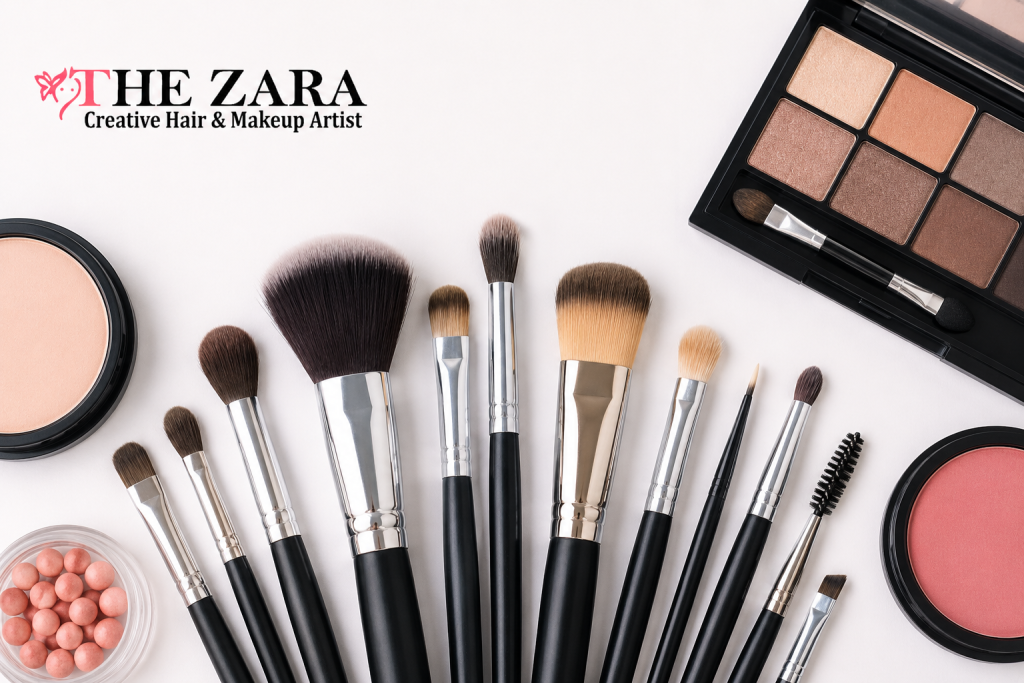
Perfect makeup is not only about premium cosmetics — the tools you use are equally important. The right makeup brushes can completely transform your final look, helping you achieve smoother blending, better coverage, and a professional finish. Whether you are creating a natural daytime look or glamorous evening makeup, every brush plays a unique role in enhancing your beauty routine.
At The Zara, aspiring beauty professionals understand that mastering makeup tools is one of the most important steps towards improving artistry skills. Many students joining makeup learning courses in London begin by learning the correct use of essential brushes before progressing to advanced techniques.
Why Makeup Brushes Matter
Using the correct makeup brush helps products blend more evenly into the skin. Brushes also provide greater precision compared to using fingers, making it easier to create polished and long-lasting makeup looks. Each brush is designed for a specific purpose. Some brushes are ideal for liquid products, while others perform best with powders or creams. Understanding which brush to use can significantly improve both makeup application and final results. High-quality brushes can also reduce product waste and create a more hygienic beauty routine when cleaned regularly.
Understanding Different Brush Materials
Makeup brushes are commonly available in two types of bristles: natural and synthetic.
Natural Bristle Brushes: Natural brushes are usually made from animal hair and work exceptionally well with powder-based products such as blusher, bronzer, and eyeshadow. They pick up pigment easily and blend products smoothly into the skin.
Synthetic Brushes: Synthetic brushes are made using man-made fibres and are perfect for cream and liquid products like foundation and concealer. They are durable, easy to clean, and suitable for sensitive skin. Many professional makeup artists now prefer synthetic brushes because they are cruelty-free and highly versatile.
Essential Makeup Brushes Every Beginner Should Own
Starting your brush collection does not require dozens of expensive tools. A few well-chosen brushes can help create beautiful makeup looks for everyday wear.
Foundation Brush:
A foundation brush helps apply liquid or cream foundation evenly across the skin. Flat foundation brushes provide fuller coverage, while buffing brushes create a softer and more natural finish.
Best Uses:
- Applying liquid foundation
- Blending cream products
- Creating a flawless base
Application Tip:
Use gentle circular motions to blend the foundation naturally into the skin.
Concealer Brush
A concealer brush is smaller and more precise, making it ideal for covering dark circles, blemishes, and redness.
Best Uses:
- Concealing imperfections
- Brightening under-eye areas
- Applying cream highlighter
Application Tip:
Pat the concealer softly instead of dragging the brush to maintain coverage.
Powder Brush
Powder brushes are large, fluffy, and soft. They are designed to apply loose or pressed powder lightly across the face.
Best Uses:
- Setting foundation
- Reducing shine
- Applying finishing powder
Application Tip:
Tap off excess powder before application to avoid a heavy or cakey appearance.
Blusher Brush
A blusher brush is shaped to fit naturally onto the cheeks and helps distribute colour evenly for a healthy-looking glow.
Best Uses:
- Applying blusher
- Soft bronzing
- Light contouring
Application Tip:
Blend upwards towards the temples for a lifted effect.
Contour Brush
Contour brushes are slightly angled to help define facial features such as cheekbones, jawline, and forehead.
Best Uses:
- Sculpting facial structure
- Defining cheekbones
- Creating depth and dimension
Application Tip:
Blend thoroughly to keep the contour looking soft and natural.
Highlighter Brush
Highlighter brushes are usually fan-shaped or tapered to apply glow products delicately to the high points of the face.
Best Uses:
- Highlighting cheekbones
- Adding glow to the nose bridge
- Brightening the brow bone
Application Tip:
- Apply highlighter gradually for a natural, radiant finish.
. Essential Eye Makeup Brushes
- Eye makeup requires precision and smooth blending, making the right brushes extremely important.
Eyeshadow Brush
An eyeshadow brush helps apply colour evenly across the eyelids.
Best Uses:
- Applying eyeshadow
- Building pigment intensity
- Packing shimmer onto lids
Blending Brush
Blending brushes are fluffy and designed to soften harsh eyeshadow lines.
Best Uses:
- Blending eyeshadow
- Creating smoky eye looks
- Smoothing colour transitions
Application Tip:
Use small circular motions for seamless blending.
Eyeliner Brush
An eyeliner brush is thin and precise, allowing clean application of gel or cream eyeliner.
Best Uses:
- Creating winged liner
- Defining the lash line
- Detailed eye makeup work
Students enrolled in professional makeup learning courses in London often spend significant time practising eye makeup techniques because precision is essential for advanced beauty artistry.
Lip Brush
A lip brush provides better control and accuracy when applying lipstick or gloss.
Best Uses:
- Defining lip shape
- Applying lipstick evenly
- Blending multiple lip colours
Application Tip:
- Begin from the centre of the lips and blend outward evenly.
. Building Your Makeup Brush Collection
- Building a quality brush collection should happen gradually. Beginners should first focus on purchasing essential brushes before investing in advanced tools.
Basic Beginner Kit:
- Foundation brush
- Powder brush
- Blusher brush
- Eyeshadow brush
- Blending brush
- Eyeliner brush
As your skills improve, you can expand your collection with contour brushes, fan brushes, crease brushes, and detail brushes. At The Zara, beauty students attending makeup learning Classes in London learn how to choose the right brushes for different makeup styles and skin types.
How to Clean Makeup Brushes Properly
Regular cleaning is essential to maintain both brush quality and skin hygiene. Dirty brushes can collect oil, bacteria, and leftover makeup, which may cause irritation or breakouts.
Simple Brush Cleaning Steps:
- Rinse bristles using lukewarm water.
- Apply a gentle cleanser or baby shampoo.
- Massage the bristles carefully.
- Rinse thoroughly.
- Lay brushes flat to dry naturally.
Face brushes should ideally be cleaned once a week, while eye brushes may require more frequent washing. Understanding makeup brushes and their uses can completely transform your makeup routine. Every brush is designed to improve precision, blending, and overall application quality. Whether you are a beginner experimenting with makeup or someone looking to improve professional skills, investing in the right tools is essential for achieving flawless results. With proper brush care, quality products, and consistent practice, anyone can create beautiful and professional-looking makeup with confidence.
